Aptitude Assessment
Evaluation of Conceptual Narrative and Observational Drawing
Instructions to Candidates
This assessment is designed to evaluate your observational, creative, and analytical skills, which are crucial for success in architecture studies and international academic environments. It also helps prepare you for components similar to the IELTS exam.
You have 60 minutes to complete both parts of Question 5. You should allocate your time as follows:
- Part A (Drawing Task): Approximately 45 minutes
- Part B (Writing Task): Approximately 15 minutes
Read the instructions for each part carefully before you start. Use a pencil for your drawing. Write your response for Part B in the designated area. You may take notes if necessary, but only your final drawing and written response will be assessed.
Please note that your written response will be assessed on Task Response, Coherence and Cohesion, Lexical Resource, and Grammatical Range and Accuracy, similar to an IELTS Writing Task.
Examination Paper: Question 5
Question 5: The Botanist's Study
Recommended Total Time: 60 minutes
Part A: The Drawing Task (Recommended Time: 45 minutes)
Scenario: You are looking at a windowsill. A single, clear light comes from the upper right. On the sill are two subjects that tell a story of time and transformation:
- A small, healthy, vibrant succulent plant in a simple terracotta pot. Its leaves are plump, firm, and have a waxy texture.

- Next to it lies a withered, decaying apple. Its skin is wrinkled and bruised, it has lost its shape, and it is starting to collapse in on itself.
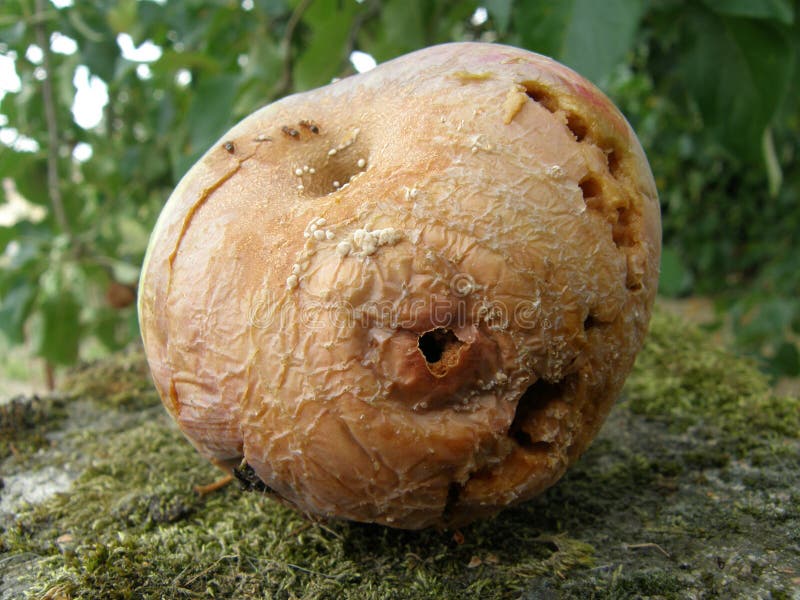
Your Task: Using a pencil, create a drawing that captures the powerful narrative created by the juxtaposition of these two objects. Your goal is not just to draw what you see, but to convey the story of life and decay. Focus on:
- The dramatic difference in texture between the firm, waxy leaves of the succulent and the wrinkled, soft skin of the decaying apple.
- The difference in form—the structured, upward growth of the plant versus the slumped, collapsing mass of the apple.
- How the light from the upper right creates different highlights and shadows on these two very different surfaces.
- A composition that tells a story about the relationship between these two states of being (growth and decay, strength and fragility).
Drawing Area:
Part B: Writing Task – Explaining Your Design Narrative (Recommended Time: 15 minutes)
You should spend about 15 minutes on this task. Write your response in the space provided. You will be assessed on how well you explain your narrative, your use of the required vocabulary, and the clarity and coherence of your writing.
Your Task: After you have finished your drawing, write a short paragraph (approximately 100 words) that explains the core narrative and your process for showing it. In this paragraph, you must:
- Explain the central story or theme you were exploring in your drawing.
- Briefly describe your process for using texture and composition to convey this theme.
- You must correctly use at least THREE of the following words in your response:
narrativetransformationorganicjuxtapositionephemeral
Word Count Target: Approximately 100 words.
Response Area:
CONFIDENTIAL: Instructor's Evaluation Guide
This section contains the model solution, diagnostic analysis, and evaluation rubric.
ACCESS RESTRICTED. Please enter password to proceed.