Aptitude Assessment
Evaluation of Atmospheric Rendering and Conceptual Articulation
Examination Paper: Question 3
Question 3: The Archaeologist's Discovery & Architectural Narrative
Part 3.1: Reading Comprehension & Vocabulary (10 Minutes)
Read the passage below and answer Questions 1-5. For questions 1-3, write TRUE, FALSE, or NOT GIVEN in the spaces provided. For questions 4-5, complete the sentences with NO MORE THAN TWO WORDS from the passage.
The Evocative Power of Light and Materiality in Design
In architectural representation, the manipulation of light and shadow is paramount to conveying atmosphere and emotion. This artistic technique, often referred to as chiaroscuro, uses strong contrasts between light and dark to give depth and drama, drawing the viewer's eye to specific elements. Beyond mere illumination, light can articulate the passage of time, suggesting moments of discovery or quiet contemplation. Architects and artists alike understand that the quality of light—whether sharp and direct or soft and diffused—profoundly affects how a space is perceived.
Furthermore, the faithful rendering of materiality plays a crucial role in grounding a design within a tactile reality. Different materials possess unique textures and light-absorbing or reflecting properties. A rough, weathered wooden surface might absorb light, creating deep, intricate shadows that speak of age and resilience. Conversely, a delicate, translucent porcelain object allows light to pass through, creating a soft, inner glow that hints at fragility and ethereal beauty. The careful juxtaposition of such contrasting elements can establish a powerful narrative, turning an inanimate object into a storyteller of history and human experience.
Questions 1-3: Do the following statements agree with the information given in the reading passage?
Write:
- TRUE if the statement agrees with the information
- FALSE if the statement contradicts the information
- NOT GIVEN if there is no information on this
Chiaroscuro is primarily used to provide uniform lighting in architectural drawings.
The passage suggests that both architects and artists utilize light to influence perception of space.
Smooth surfaces generally create deeper shadows than rough surfaces.
Questions 4-5: Complete the sentences below.
Choose NO MORE THAN TWO WORDS from the passage for each answer.
The term ______________ refers to an artistic technique using strong contrasts of light and dark.
A porcelain object described as ______________ allows light to pass through it, creating a gentle glow.
Part 3.2: The Drawing Task (45 Minutes)
Scenario: You are in a dark, dusty attic. A single, sharp beam of light from a high, small window cuts through the gloom and illuminates two objects lying on the rough wooden floor:
- A delicate, slightly cracked porcelain teacup. It is translucent, meaning some light can pass through it.
- A rough, weathered, dark wooden block that the teacup is resting against.
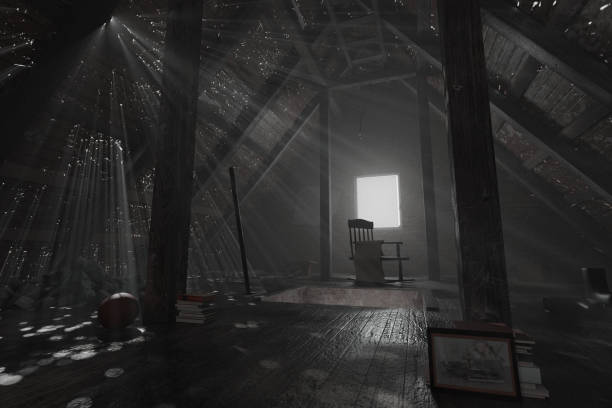
Your Task: Using a pencil, create a drawing of this scene. Your primary goal is to capture the atmosphere of discovery and the passage of time. Do not just draw the objects; draw the light and the mood. Pay close attention to:
- The dramatic contrast between the bright light and the deep shadows (chiaroscuro).
- The different textures—the smooth, cracked porcelain versus the splintery, aged wood.
- How the light interacts with the translucent teacup, perhaps glowing softly from within.
- The composition, which should create a sense of mystery or nostalgia.
Drawing Area:
Part 3.3: The Written Justification (15 Minutes)
Your Task: After you have finished your drawing, write a short paragraph (approximately 100 words) explaining the story or feeling you wanted to convey. This task assesses your ability to articulate design intent clearly and concisely, similar to academic writing. In your paragraph, you must:
- Explain the central mood or theme of your drawing (e.g., nostalgia, fragility, stillness).
- Briefly describe your process for using light and shadow to create this mood.
- You must correctly use at least THREE of the following words in your response, demonstrating your lexical resource:
translucenttexturechiaroscurojuxtapositionephemeral
Response Area:
CONFIDENTIAL: Instructor's Evaluation Guide
This section contains the model solution, diagnostic analysis, and evaluation rubric.
ACCESS RESTRICTED. Please enter password to proceed.