🧠 Section 1 Goal: Introduce "Culture" as a Key Presentation Concept
Here, we connect the words they just learned to bigger ideas. We want students to understand that when they talk about food, festivals, or clothes, they are talking about their culture.
- Define "Culture" Simply: Read the first sentence aloud. Then, use the interactive trigger to reinforce the meaning visually and simply. "What is 'culture'? A very important word! Let's read. 'Culture is made up of many things...' Let's see what these things are. Click the blue question mark!"
- Activate Prior Knowledge: After clicking the trigger and naming the items (art, music, food, clothes), ask students to give Hong Kong examples for each. E.g., "What is some music from Hong Kong?" (Cantopop). "What food is from Hong Kong?" (They will shout out answers from the warm-up and the phonics page!).
What is 'culture'?
❓
Culture is made up from many things, like art, music, dancing, food and clothes.
Food from our Culture 😋
🎯 Section 2 Goal: Develop Descriptive Language for Food
This is a core part of their presentation content. We move from naming a food to describing it using the sentence patterns they are learning.
- Personalize the Content: We've used Hong Kong staples. Point to each one and elicit the name. "Look at these yummy foods! We see these in Hong Kong. What is this? (Point to Dim Sum). Yes! Dim Sum! And this? (Point to Egg Tart). Egg Tart! And this? (Point to Sushi). Sushi! Hong Kong has food from all over the world!"
- Use the Interactive Trigger: Click the '😋' emoji. The pop-up provides simple sentences. Have the students repeat after you. This is direct practice for their presentation script. "Let's click the yummy face! Repeat after me: 'My favourite food is Dim Sum.'... 'It is a Chinese food.'... 'I love egg tarts.'... 'They are sweet.' Great! Now you can use these sentences in your presentation."
- Paired Practice: Ask students to turn to a partner and use the sentence frames from the pop-up to talk about their own favourite food. E.g., "My favourite food is..."

Dim Sum (點心)
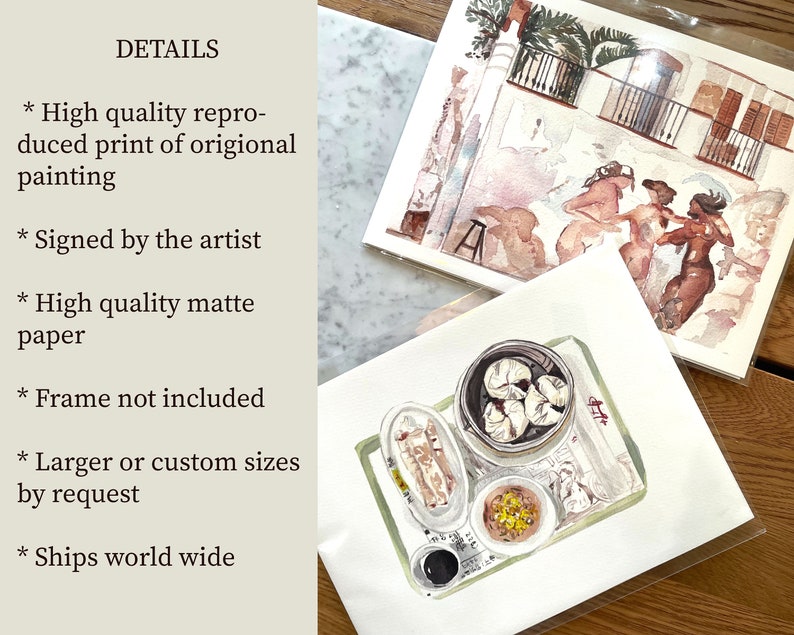
Egg Tarts (蛋撻)

Japanese Food
Clothes from our Culture 👕
🧠 Section 3 Goal: Introduce the Concept of 'Old' and 'New'
This is a simple way to introduce comparative language. This skill is valuable for adding more detail to their presentation. For example, "In the past, people wore cheongsams. Now, I wear a t-shirt."
- Visual Comparison: Use the interactive trigger to show the contrast visually. "Let's look at clothes. Click the t-shirt! We see a Cheongsam. This is an old, traditional dress. And we see modern clothes. This is what you wear now. Old... and new!"
What is the same, and what is different, about the clothes people wear?

Traditional Clothes (Cheongsam 旗袍)

Modern Clothes
