Values
If we say we value something, we mean that it is important to us.
Ideas that are important to us, like being fair, honest, and showing respect, are called values. ?
Role models
Role models set a good example. They show us good values. ✨
Objective: To pre-teach and reinforce key vocabulary for the lesson using a phonics-based approach. This builds pronunciation confidence and comprehension for weaker students before they encounter these words in the main lesson.
Methodology: This section is inspired by the 'Smart Phonics' workbook. We group words by sound patterns to make pronunciation easier. For each group, follow this pattern:
This sound is common in the lesson material. Linking them helps students decode new words.
Say: "Look! 'ee' and 'ea' are friends. They make the same sound. Let's make a big smile and say /iiiiii/! Like when you see cheese!"

greet ?

meet ?

team ?

peak ?

beach ?

speech ?
These words are conceptually difficult and phonetically challenging. Breaking them into syllables and clapping them out makes them less intimidating.
Say: "This is a big word! Don't worry! We can chop it up. Look: Re-spon-si-bi-li-ty. Let's clap it! Re (clap) spon (clap) si (clap) bi (clap) li (clap) ty (clap)! Easy!"

re-spon-si-bil-i-ty ?

per-se-ver-ance ?

in-teg-ri-ty ?
Objective: To introduce students to the concept of 'values' and connect them to everyday actions ('behaviour'). This content serves as the conceptual foundation for the 'Value Corners' activity in the PowerPoint.
Lesson Flow:
Goal: Help students understand that a 'value' is a 'big idea' about what is important and good.
Say: "If I say I 'value' my family, does it mean my family is important or not important?" (Students: "Important!"). "Good! So, values are ideas that are important to us."
Say: "Look at the list: being fair, honest, showing respect. Are these good things or bad things?" (Students: "Good things!"). "Exactly! Values are important, good ideas."
If we say we value something, we mean that it is important to us.
Ideas that are important to us, like being fair, honest, and showing respect, are called values. ?
Role models set a good example. They show us good values. ✨

Goal: Connect the abstract idea of 'values' to concrete, observable actions. This is a critical bridge for ESL learners.
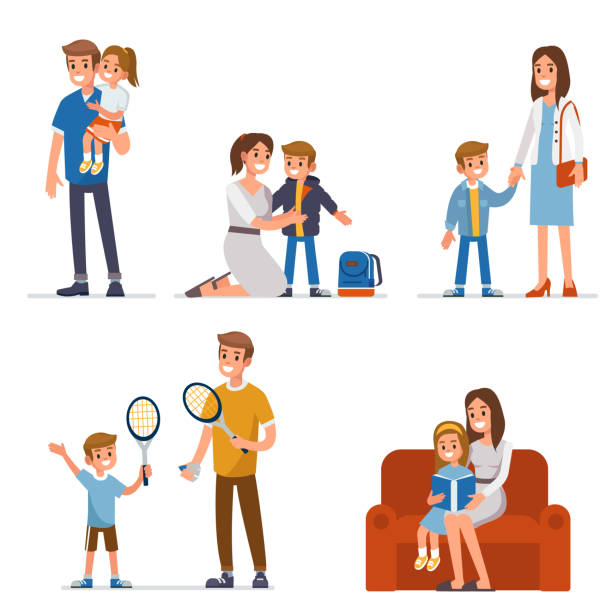
Say: "Look at the first picture. What do you see?" (A family, playing). "Are they happy or sad?" (Happy). "Good. Now the second picture." (A student, in class). "What is she doing?" (Raising her hand).
We can see values in the things people do every day.


Goal: Define 'responsibility', a key value from the PowerPoint, using simple language.
Say: "Responsibility means we CHOOSE to do the right thing. It's making a good choice. Do you clean your room? That is your responsibility. Do you do your homework? That is your responsibility."
Responsibility means that we choose how to behave.
We choose to do and say the things we should, or the things we should not.
It is our responsibility to make the right choice.
Goal: Provide very clear, simple, and relatable examples of responsible behaviour that students can easily understand and use as inspiration for their own stories.
At home we should:
greet people when we first meet them in the day ?

say thank you when people do things for us ?

say sorry if we do something wrong ?

always be helpful in the home ?