Teacher's Guide: New Vocabulary Section

Objective: To pre-teach and drill essential vocabulary for the "All About Me" & "My City" presentations using a phonics-based approach inspired by the provided workbook. This builds pronunciation confidence before asking students to generate ideas.

Rationale: Weaker ESL students often know a word's meaning but can't pronounce it, which makes them afraid to speak. By grouping words by sound (`ou/ow`, `i_e`, `ea/ee`), we follow a familiar, structured method that lowers anxiety. This section is a crucial scaffold before the main task.

  1. Introduce the Goal (2 mins):
    "Today, we will plan our presentation! But first, let's learn some 'power words' to make our presentation sound amazing! We will learn them with sounds, just like in our phonics book."
  2. Work Through Each 'Sound Box' (15 mins total, ~5 mins per box):
    "Look at our first sound: the 'ow' sound, like in 'house'. Let's listen and say. Ready? (Click trigger for 'proud' 👆) Pr-oud. PROUD. Good! Now you say it. (Repeat for all words). Now, let's use these words. Look at the sentence: 'I am ____ to live in Hong Kong.' What word goes here? Yes, proud! Let's all say the sentence together: 'I am proud to live in Hong Kong!'"
  3. Emphasize Physicality: Use the popups to prompt actions. When they say 'proud', ask them to stand tall. When they say 'like', ask for a thumbs up. This connects the word to a feeling and a gesture.
Pacing is key! Focus on choral drilling. Get the whole class repeating the sounds and words together. Celebrate good pronunciation with lots of praise. This is a warm-up, not a test.
In this part, we will learn how to SAY words for our presentation:
  • Words about me.
  • Words about my city, Hong Kong.

🔊Sound Focus: The /aʊ/ Sound (like in house)

A child with a gold medal

proud 👆

loud 👆

brown 👆

Hong Kong city skyline

town / city 👆

✏️ Build a Sentence!

1. My hair is brown.

2. I am proud to live in my city.

3. I speak in a clear, loud voice.

🔊Sound Focus: The Long /aɪ/ Sound (like in like)

Thumbs up icon

like 👆

A child smiling

nice 👆

A bright sun icon

lively 👆

time 👆

✏️ Build a Sentence!

1. I like Hong Kong.

2. In my free time, I play games.

3. My friends are nice and lively.

🔊Sound Focus: The Long /iː/ Sound (like in bee)

features 👆
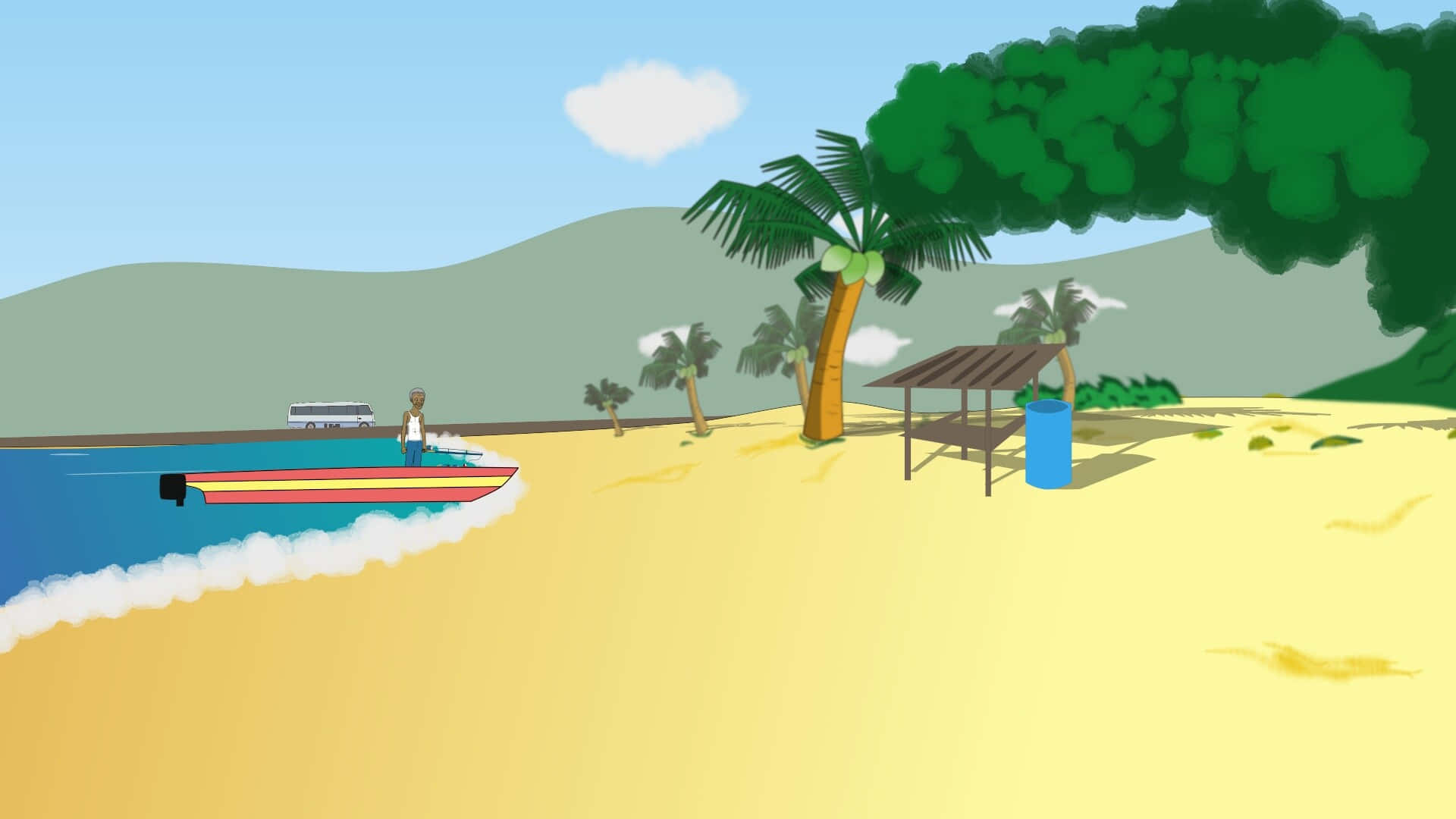
A sunny beach

beach 👆

A person speaking

speak 👆

Three friends together

friends* 👆

*Sounds like 'frends'

✏️ Build a Sentence!

1. I like to speak English.

2. I play with my friends at the beach.

Teacher's Guide: From 'Facts' to 'Presentation'

Objective: To provide students with a simple, personal, and structured topic for their first individual presentation. This lesson adapts textbook content about personal identity into a planning tool for their presentation.

Rationale: Primary 3-4 ESL students, especially weaker ones, often struggle with *what* to say. By using the "All About Me" theme, we lower their cognitive load and anxiety. They are the experts on themselves! This allows them to focus on the *how* of presenting-the skills like using gestures, which were introduced in the PowerPoint slides.

Lesson Flow & Teaching Script (Approx. 20-25 mins)

  1. Introduction (Bridge): Connect today's lesson to the presentation goal.
    "Great job learning our new words! Now, what will you talk about in your presentation? The best topic is... YOU! Today, we will plan a presentation called 'All About Me!'"
  2. Explore Differences (Page 1): Go through "People look different" and "People are different". Use the interactive triggers (👆) to make it fun.
    "(Click 👆 next to 'look different') Everyone point to your eyes! Now your hair! Very good! (Click 👆 next to 'People are different') Are you quiet 🤫 or lively 🥳? Show me with your face! You are all special!"
  3. Celebrate Talents (Page 2): Discuss "People have different talents". This is crucial for building self-esteem.
    "Everyone has a talent! Something you are good at. (Click 👆) Maybe you like to draw 🎨, play soccer ⚽, or read books 📚. What is your talent? Let's share!"
  4. Main Task - Presentation Planning: Introduce the "Activities" box as their "Presentation Plan". Model how to fill it out, using the interactive triggers for each point.
    "This is your plan! For 'three likes', you can say 'I like...' and use a big thumbs up gesture! 👍 (Click the trigger). For 'one dislike', you can say 'I don't like...' and use a thumbs down. 👎 Let's plan together!"
  5. Check for Understanding: Use the "Let's Check!" button at the end.
    "Okay, quiz time! (Click 'Let's Check!'). What does this emoji mean? (Point to 👍). Show me the gesture! What about this one? (Point to 👎). Excellent!"
Differentiation: For weaker students, ask them to only choose one "like" and draw it. For stronger students, encourage them to add another talent or like to their plan.
In this part, we will learn:
  • That every person is special.
  • That people are all different.
  • How to talk about ourselves.

People look different 👆

We all look different. We have different physical features, like our eyes and hair.

A diverse group of smiling children A diverse group of children holding hands

People are different 👆

People can be quiet, loud, calm or lively. People have their own personality. This is all the qualities that make them who they are.

Children talking together A boy reading calmly

People have different talents 👆

People are good at different things. We all enjoy doing different things. A mixture of people makes life interesting. Everybody is special just because of who they are.

A girl drawing A boy playing with a soccer ball A girl reading

Your 'About Me' Presentation Plan

Use this fact file to plan what you will say. This will be the content of your presentation!

  • A picture of you (or a drawing) 👆
  • Your hair colour 👆
  • Your eye colour 👆
  • Three likes (e.g., food, sport, colour) 👆
  • One dislike 👆
Page:```html